
5-Day Summer Khuvsgul Lake Road Trip
Day-by-Day Itinerary
Ulaanbaatar → Uran Extinct Volcano
We pick you up from your accommodation at 08:00 and drive north about 540 km (8 hours on a paved road) to the extinct Uran Volcano in Bulgan Province. 'Uran' means 'artistic' in Mongolian: its crater rim is such a neat circle that it looks like the work of a skilled craftsman rather than nature. The ring-shaped ridge is about 500 m across and holds a small crater lake about 20 m wide and 1.5 m deep. The surrounding Uran-Togoo Tulga Uul Natural Monument also protects several other recognizable volcanoes with broken craters, such as Tulga, Jalavch, and Togoo, rising above forested slopes and old lava fields. Climb to the top of the volcano for a sweeping view over the craters and the steppe, then spend the night nearby.
Uushig Deer Stones → Khuvsgul Lake
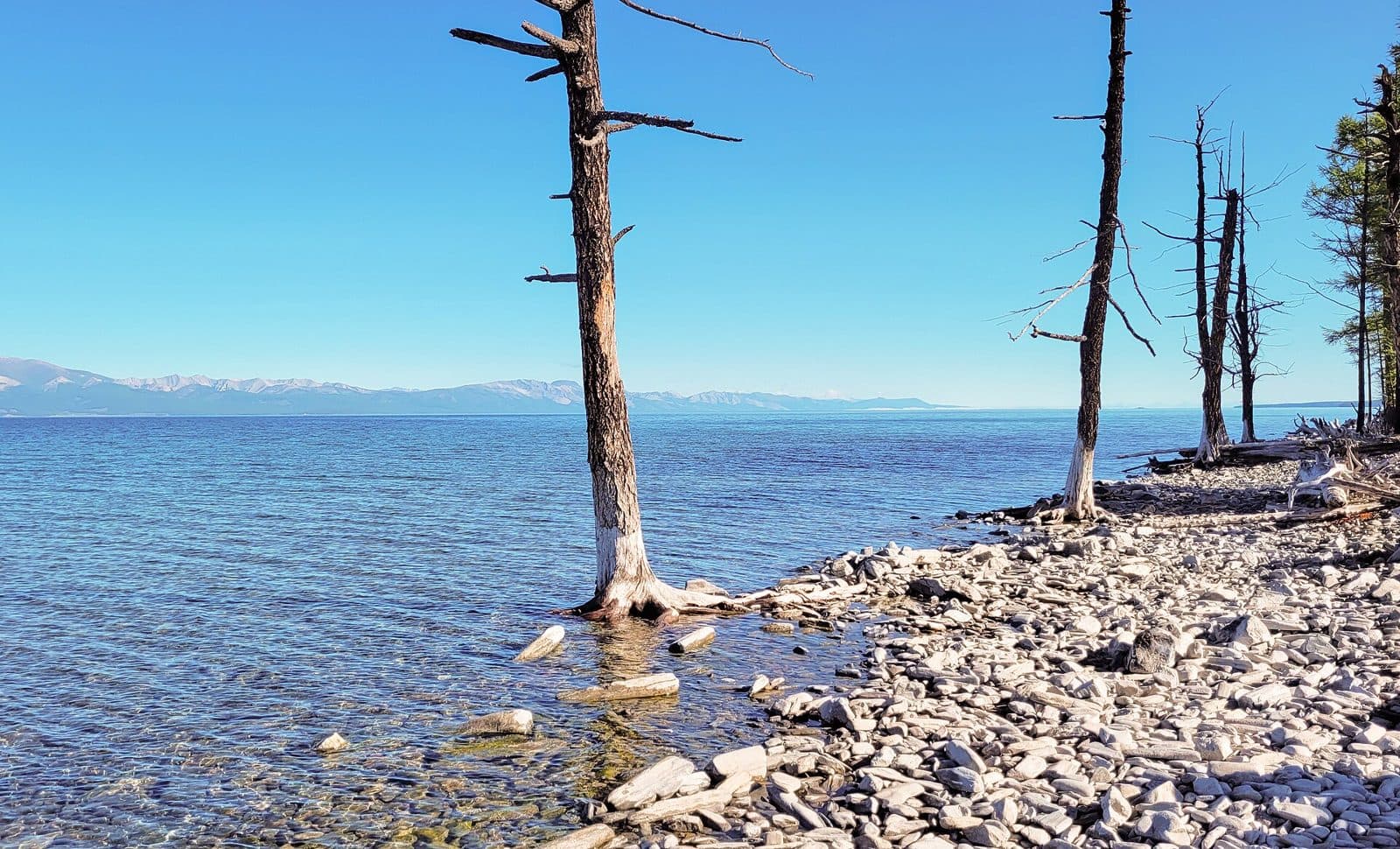
After breakfast, drive about 300 km (6 hours on a paved road) to the Uushig Valley near Murun. Here stands a complex of some 30 deer stones with their burial mounds, more than 3,000 years old and dating to the ancient Hunnu (Xiongnu) period and the Bronze Age before it. Carved from long blocks of granite, the stones are covered in stylized flying deer with long, sweeping antlers, and together with the surrounding mounds they reveal the funeral customs, sacrificial rituals, beliefs, and animal-style art shared by the ancient nomads. Then drive about 145 km (3 hours, mostly on a paved road) to Khuvsgul Lake. About midway along the border between Mongolia and Siberia, in a gigantic stone bowl nearly 110 km long and almost 40 km wide, lies a deep, crystal-clear lake that holds a remarkable share of the world's fresh water, surrounded by larch forest and mountains. Spend the night on its shore.
Khuvsgul Lake: Horse Ride & Reindeer People
After breakfast, set off on a 2-hour horse ride along the lakeshore and up into the hills for a view over the water, through the sights and sounds of the northern taiga. No riding experience is required. Then visit the reindeer people. They are Tuvans (also known as Dukha or Tsaatan) whose families moved to the northernmost part of Mongolia from the Tuvan Republic around the 1920s, and who traditionally live in tepee-like tents in the forest, herding reindeer for milk and transport. Some families have moved to the lake area with their reindeer to sell handmade souvenirs, carved from wood and antler, to visitors, giving you a chance to meet them and learn about their way of life. Spend a second night beside the lake.
Khuvsgul Lake → Amarbayasgalant Monastery
After breakfast, drive about 690 km (8 hours on a paved road) southeast to Amarbayasgalant Monastery, set in a quiet valley below the Burenkhan mountains. Its name means 'Monastery of Tranquil Felicity'. Built between 1727 and 1736 on the order of the Qing emperor to honor Zanabazar, the first Bogd (spiritual leader) of Mongolian Buddhism, it is one of the largest and best-preserved monastery complexes in the country. The monastery was sacked in 1937 during the Stalinist purges, but restoration that began in 1988 has gradually returned the complex to its former glory. Today it is an active monastery and also serves as a museum. Arrive in time to see its graceful temple roofs in the evening light, and spend the night nearby.
Amarbayasgalant Monastery → Ulaanbaatar
After breakfast, walk over to the monastery and explore its courtyards and temples, laid out symmetrically along a central axis in the Chinese style, perhaps catching the monks at their morning prayers. After lunch, drive about 330 km (6 hours on a paved road) back to Ulaanbaatar, arriving at around 19:00, and we transfer you to your accommodation.