
8-Day East-to-South Gobi Crossing
Day-by-Day Itinerary
Ulaanbaatar → Ikh Nart Nature Reserve
We pick you up from your accommodation and drive southeast to Ikh Nart Nature Reserve, about 330 km and 5 hours, mostly on a paved road. Ikh Nart is a cluster of rocky hills and small mountains rising out of semi-desert steppe, rarely visited by tourists and full of gorgeous, untouched scenery. Its granite has weathered over millennia into domes, strange shapes, craggy ridges, and a mind-boggling range of textures. The reserve is a favorite with wildlife enthusiasts, as it harbors one of the largest populations of argali, the world's largest wild sheep, along with Siberian ibex and nesting vultures. After lunch, hike around the two springs, Khalzan Mountain, and Burgasan Am in search of argali, and we may drive further for a while to explore more of the reserve. Spend the night camping in tents in the wilderness.
Suikhent Mountain (Petrified Trees) → Shar Tsav (Dinosaur Footprints)
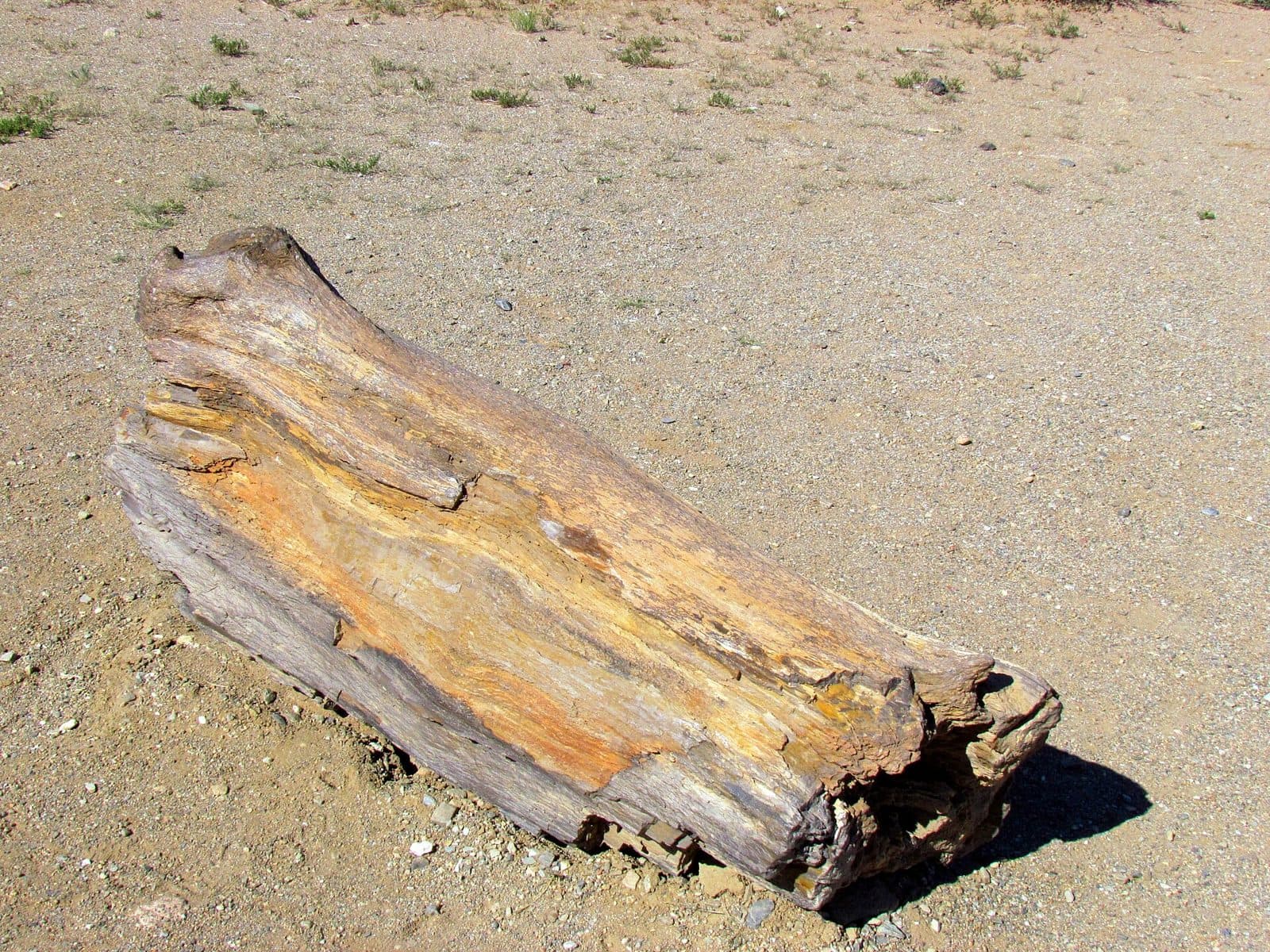
After breakfast, drive about 245 km (6 hours on dirt roads) to Suikhent Mountain, home to petrified trees from the age of the dinosaurs. The area was declared a protected site in 1996 to safeguard them, and some of the most impressive trunks reach up to 20 m long and up to 2 m in diameter, their wood turned to stone grain by grain over millions of years. After lunch, explore the petrified trees and climb to the top of the mountain. Then drive about 50 km (2 hours on dirt roads) to the Shar Tsav dinosaur track site, where numerous fossil footprints were left when the area was the shore of a prehistoric sea. Standing here, you can imagine dozens of dinosaurs walking along the water's edge tens of millions of years ago, searching for a meal among whatever washed up on the last high tide. Explore the site along its accessible walkway and pavilion, then spend the night camping in tents.
Shar Tsav → Demchig Monastery
After breakfast, drive about 100 km (2 hours on dirt roads) to Demchig Monastery. The monastery, about 100 years old at the time, was destroyed in 1937 during the Stalinist purges, and it has since been partly rebuilt in its remote desert setting. Among its curiosities are a phallic rock formed by nature and Mongolia's tallest stupa, and some visitors say the whole place radiates powerful energy. About 15 km from the monastery lies the 'cave of wealth': locals believe that rubbing your cash on its walls will make your money grow. Explore the temple and the other interesting sites around it, then spend the night in a local hotel, a welcome chance for a hot shower after two nights under canvas.
Demchig → Yol Gorge
After breakfast, set off on a long drive west of about 335 km (6 hours on dirt roads) to Yol Gorge in the Gurvan Saikhan mountain range of the South Gobi. 'Yol' means bearded vulture in Mongolian, and the gorge stretches for more than 10 km. At its narrowest point only three or four people can walk side by side, and the high rock walls shade the valley floor from direct sun, so the ice formed by its small stream in winter often survives into the hot summer months, until about mid-July. Enjoy an hour's hike through the gorge, watching for ibex and vultures on the cliffs, and visit the small natural history museum at the park entrance. Spend the night at a tourist ger camp.
Yol Gorge → Khongor Sand Dunes: Camel Ride
After breakfast, drive about 190 km (5 hours on dirt roads) to Khongor, the largest sand dune field in the Gobi Desert. The dunes stretch nearly 100 km long and 5 to 10 km wide, with crests rising 80 to 300 m above the surrounding land. On windy days, the moving sand produces a deep booming sound that carries a long way, which is why locals call them the 'Singing Sands.' A green oasis fed by the Khongor River lines their northern edge. Today you ride Bactrian camels to explore these massive dunes, and the energetic can climb one of the crests for an unforgettable view across a sea of golden sand. Spend the night as guests in a local ger guesthouse near the dunes.
Khongor Sand Dunes → Bayanzag (Flaming Cliffs)
After breakfast, drive about 150 km (4 hours on dirt roads) to Bayanzag. American explorer Roy Chapman Andrews named this place the 'Flaming Cliffs' in the 1920s, and many important dinosaur finds, including Protoceratops skeletons and the first dinosaur eggs ever discovered, were made here. The red sandstone cliffs are imposing from a distance and glow especially fiery in the light of the setting sun. Walk around the site and along the cliff edge, then spend the night at a tourist ger camp.
Bayanzag → Tsagaan Suvarga
After breakfast, drive about 255 km (4 hours, mostly on a paved road) to Tsagaan Suvarga. This sheer escarpment was once the floor of an ancient sea, and its layered sediments, laid down over millions of years, show as bands of white, pink, orange, and red, each color marking a different age. The cliffs rise more than 50 m at their highest point and run for some 400 m, and from a distance they look like the ruins of an ancient ghost city. It's the traditional resting point on the road between the South and Middle Gobi. Take a hike around the formation in the evening light and spend your last night in the desert at a tourist ger camp nearby.
Tsagaan Suvarga → Ulaanbaatar
After breakfast, drive about 470 km (6 hours on a paved road) back to Ulaanbaatar, watching the open Gobi plains slowly turn back into green steppe. On arrival in the city at around 17:00, we take you to your accommodation, and the trip ends.